Poetry Seeks the Unknown

Photo of my mother, Theresa Christie, as a teenager. circa 1956.
I never met my mother.

Like many people adopted as infants in the the 20th century, the fact of my adoption was kept secret — from me, from the neighbors, from my teachers. When I was in my 30’s, I found my blood family, but my mother had already passed away.

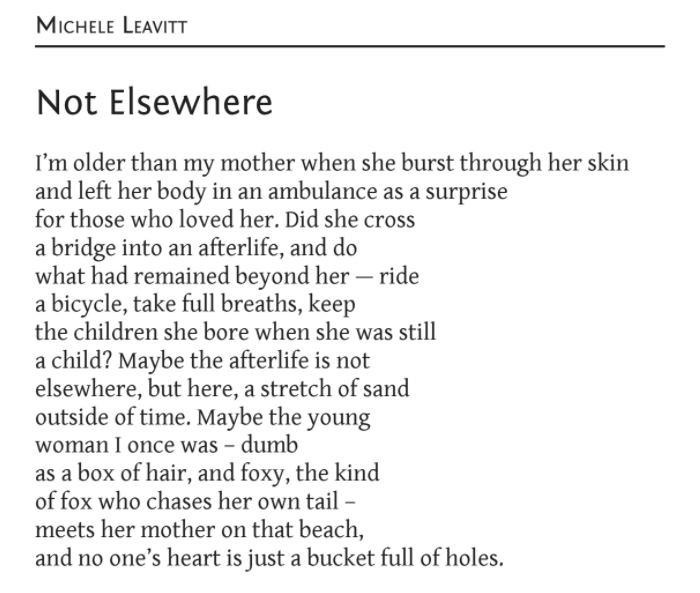
Poetry is a map of the human heart, a useful tool if you don’t know where a heart came from, what it’s made of, or where it’s going. I map my mother’s heart in my imagination, looking for what she felt about me.

If we’d met, there’s no telling how our relationship may have been twisted by my feelings of abandonment, or her feelings of loss. Sometimes I’m full of regret that I didn’t search for her earlier.

Oher times I wonder if waiting until it was too late spared us both some pain.

The poem below, originally published in Crab Creek Review ( regular submissions open from September 15 through November 15!), is my attempt to imagine this unknown.
Poetry of Resistance

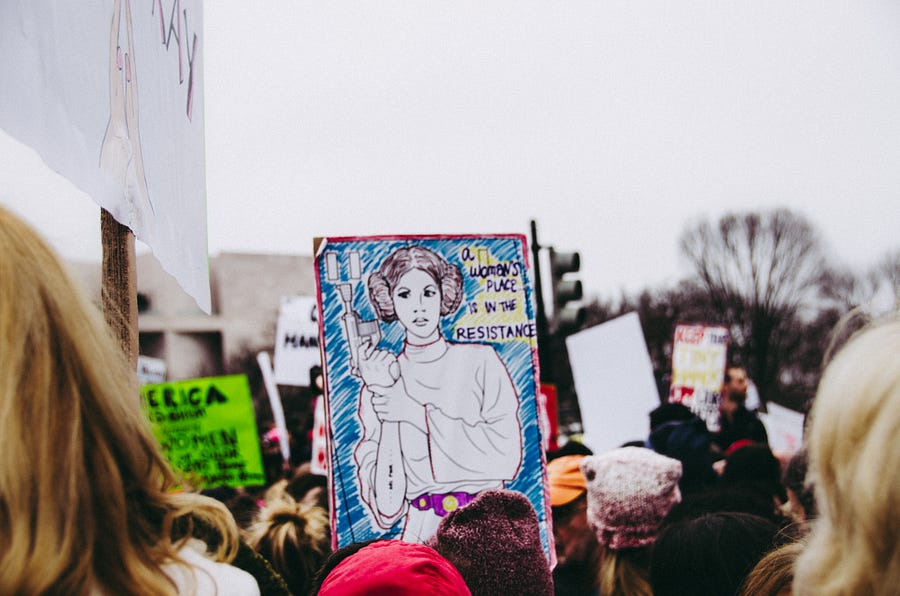
A crowd of protesters, one holding a poster with an image of Princess Leia saying “A woman’s Place Is in the Resistance.” Photo by Jerry Kiesewetter on Unsplash
Political poetry is experiencing a resurgence in Trump-era America, and I’m grateful. It challenges our assumptions and brings us together as we speak and act against the injustices and oppressions of yesterday and today.

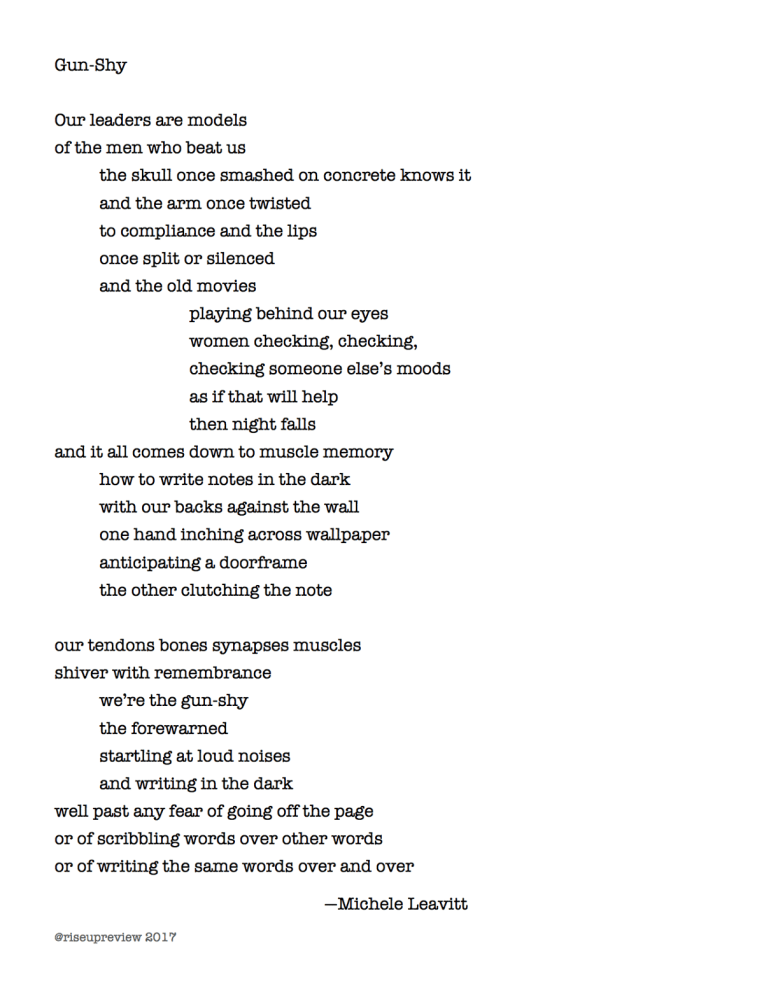
In fact, a few new magazines specializing in political poetry have sprung up since the 2016 election. One is Rise Up Review, edited by poet Sonia Greenfield. I was fortunate to have the following poem published there in 2017. Since then, Greenfield has expanded the magazine, and it features poems in many different styles, on many different topics, from poets around the world.


Poetry and Chronic Pain

Poetry and Chronic Pain

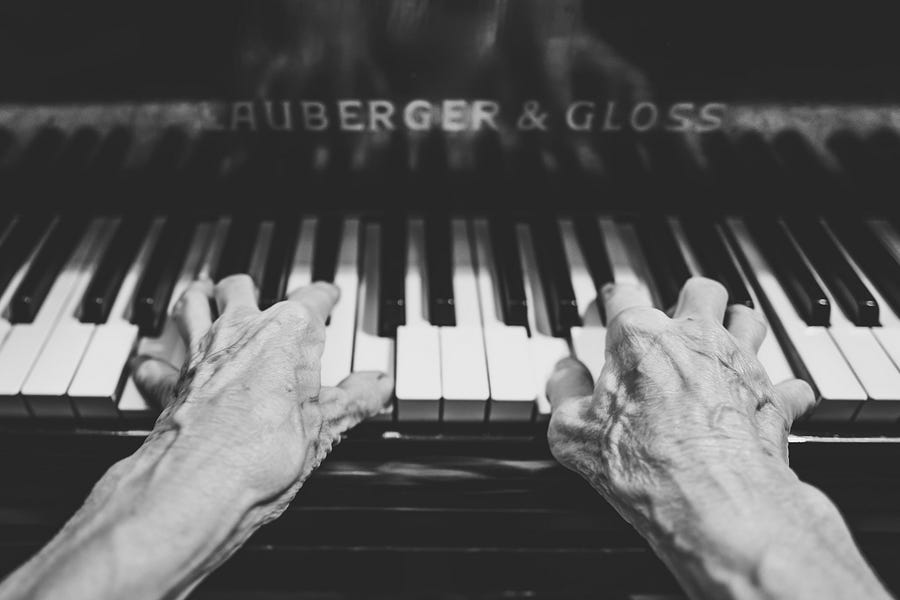
“A black-and-white shot of an elderly person’s hands playing a Lauberger & Gloss piano” by Lukas Budimaier on Unsplash
Wordsworth once defined poetry as “emotion recollected in tranquility.”

I like the idea of re-collecting feelings once they’ve passed, like gathering spent blossoms. It’s a bit gothic.

For me, writing on chronic pain is easier when I’m not actually experiencing it. When I’m in its grip, I’m cranky and selfish..

A research group in Lancaster, U.K. is soliciting poetry and personal narratives on chronic pain to better understand pain from those who experience it. The poem below was published there in 2018, and originally published in the print magazine Poet Lore.